Learning the patterns before touching the puppets.
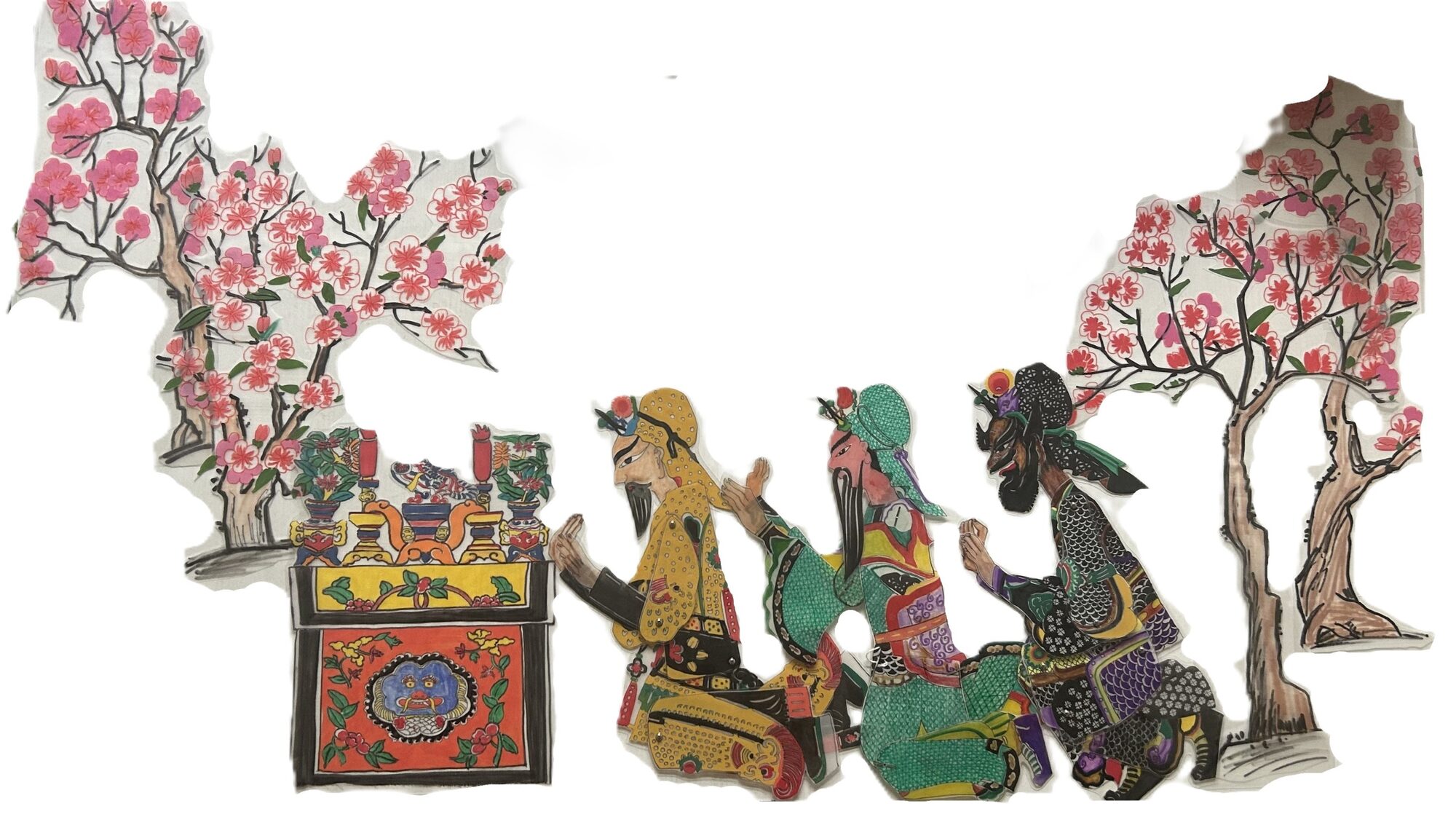
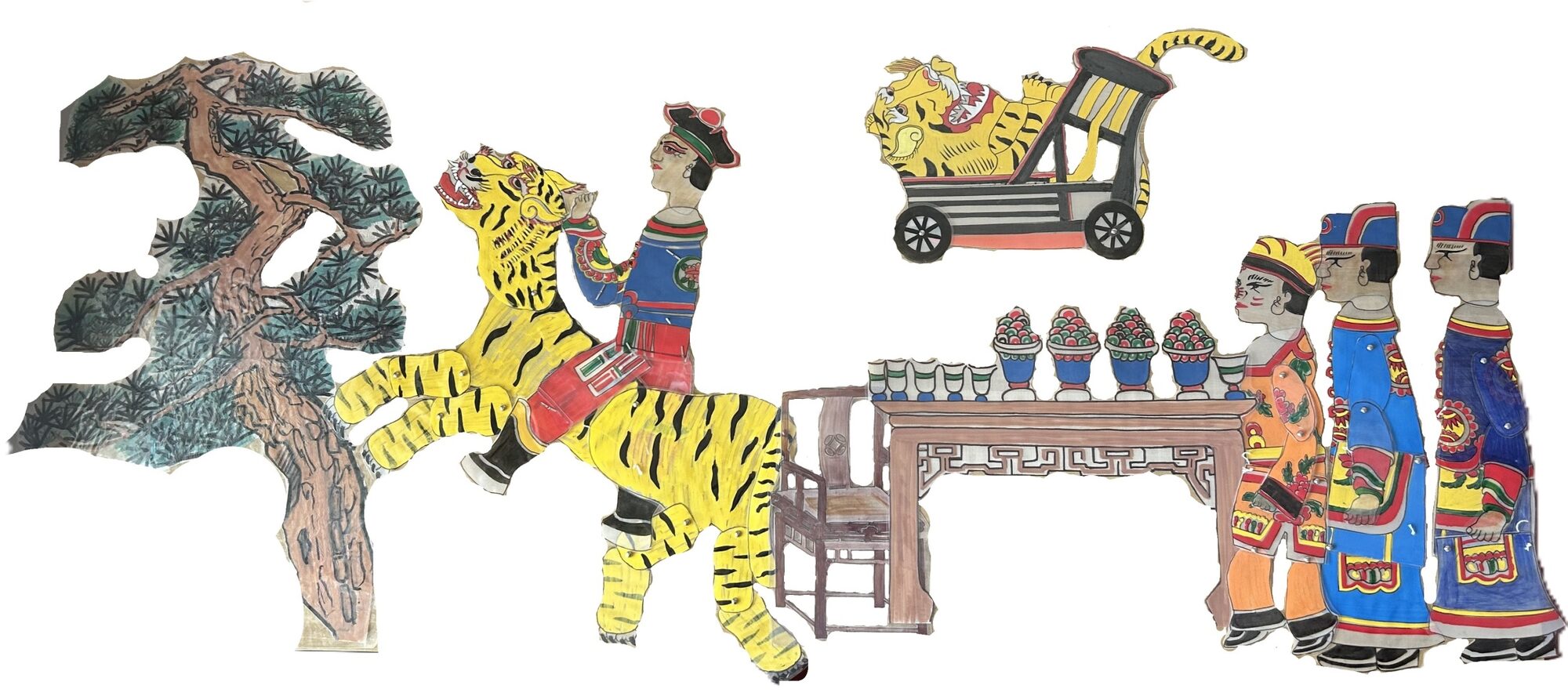
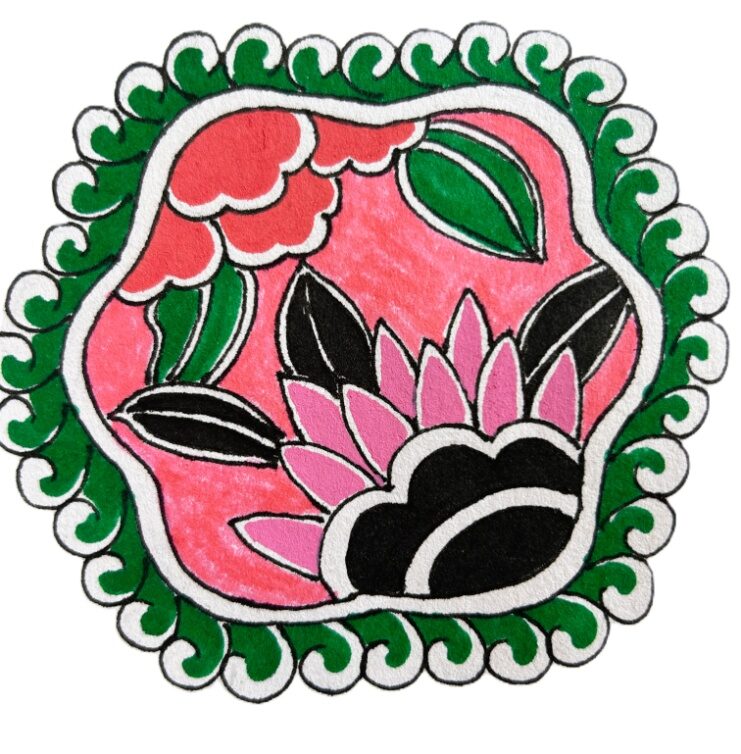
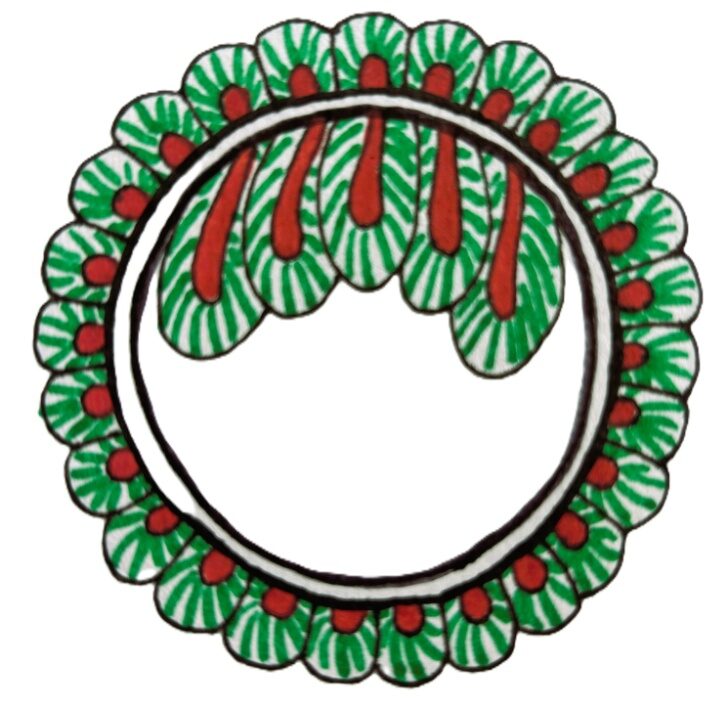
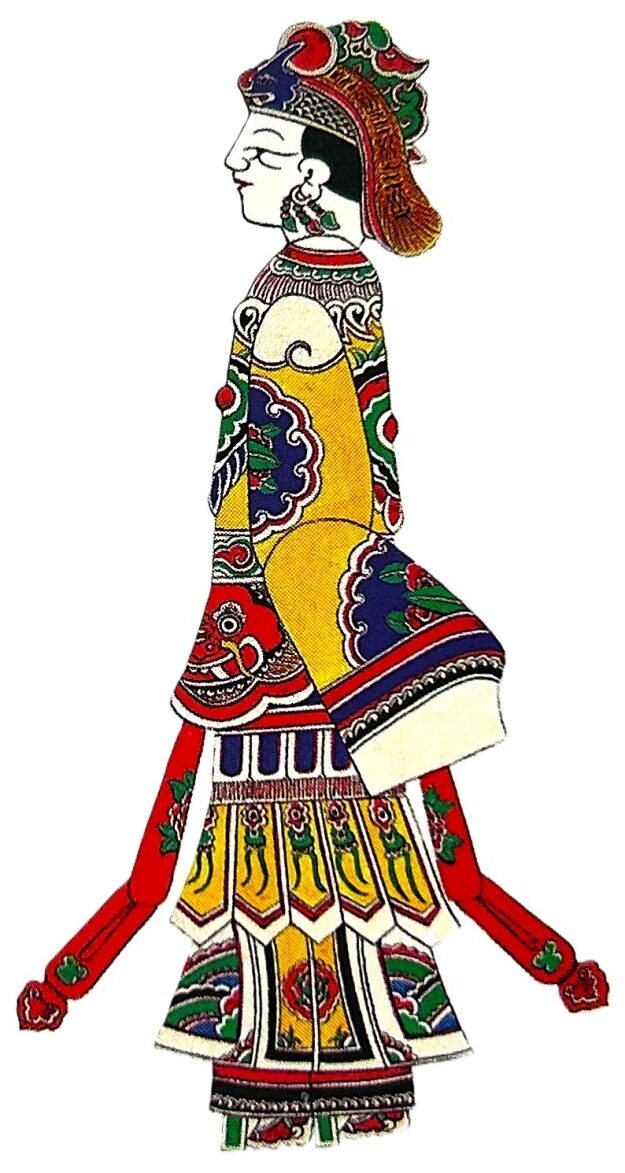
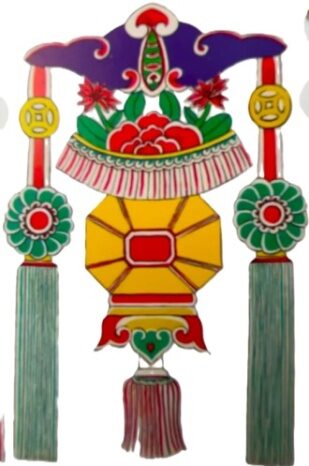
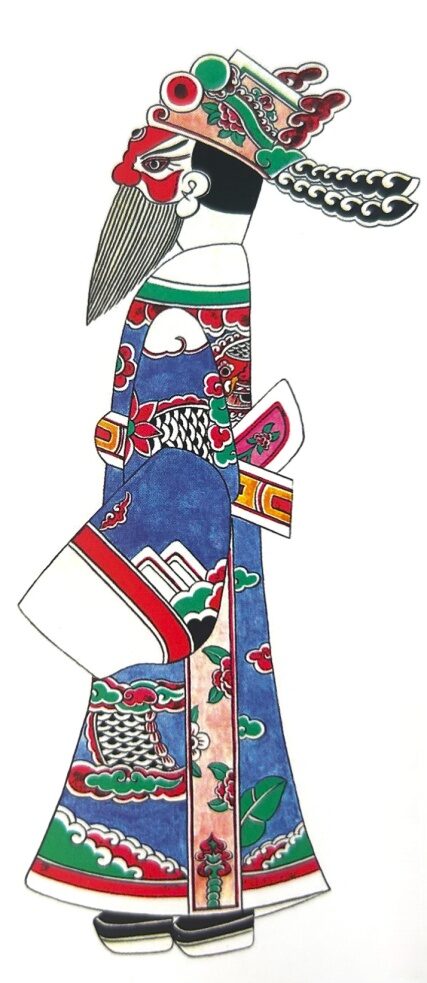
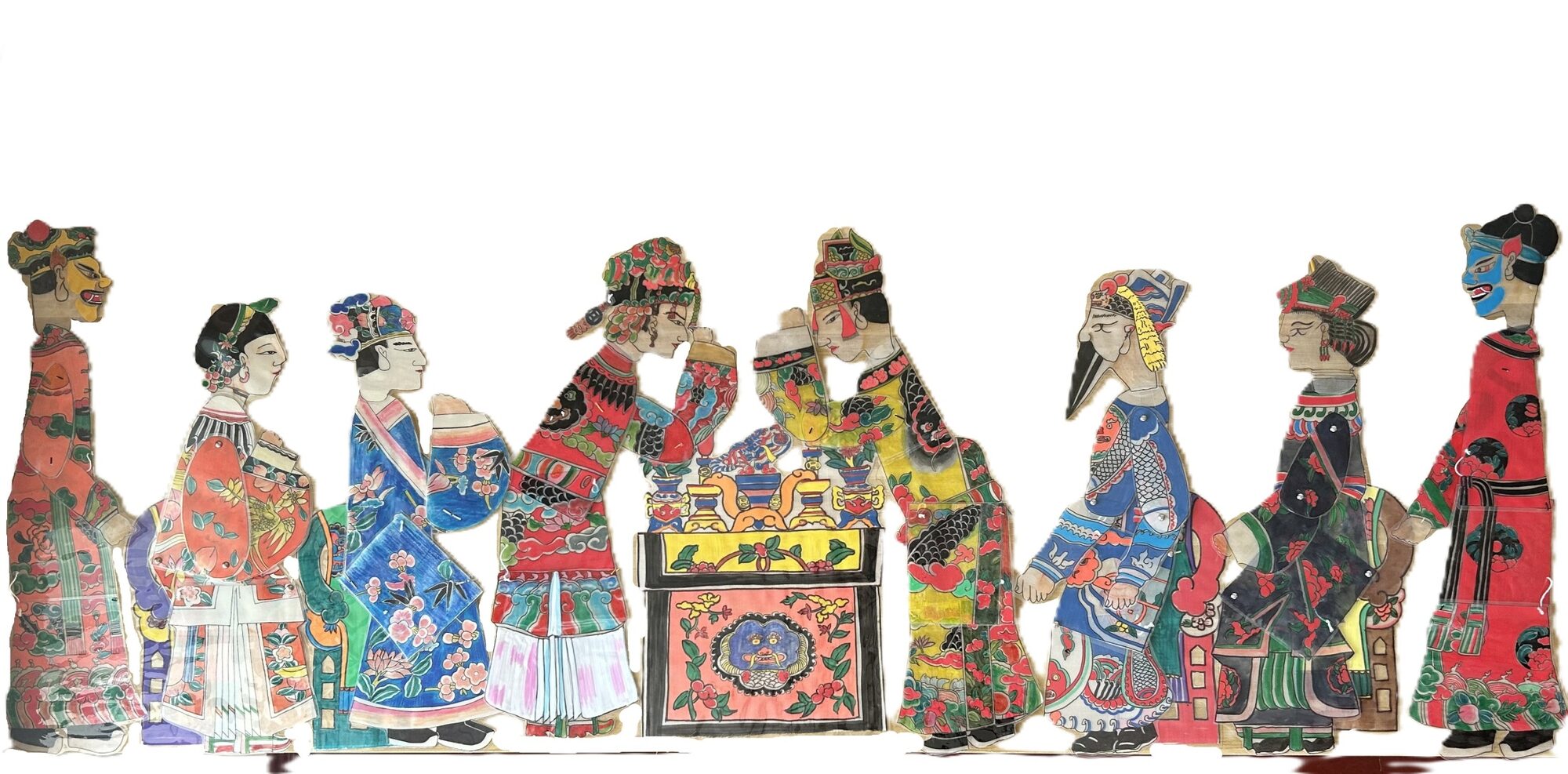
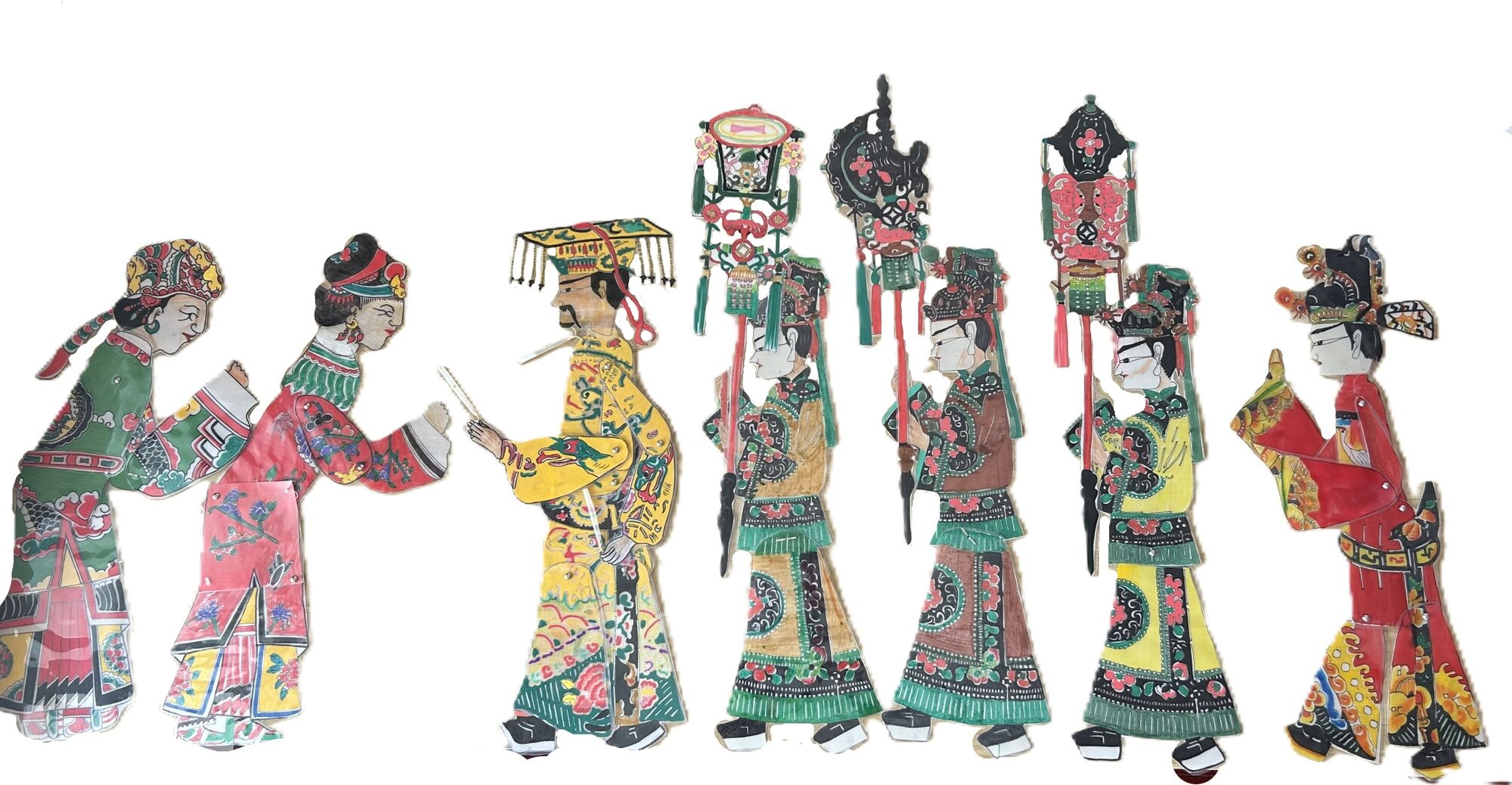
Songjiang shadow figures are painted, not carved. To paint them you have to know the motifs, what each one means, and which character it belongs on. These are my study plates, hand-painted, plus notes on the rules of staging.
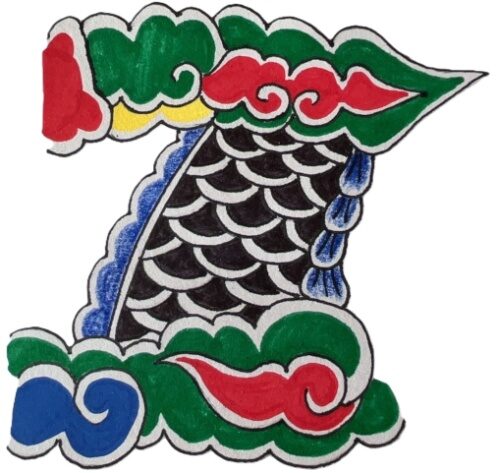
A branch of the dragon motif: the dragon is the subject, clouds the support, usually leaping or riding through them. It appears on Tang and Song ceramics and stayed in use on porcelain, lacquer and textiles through the Yuan, Ming and Qing. Meaning: rising fortunes.
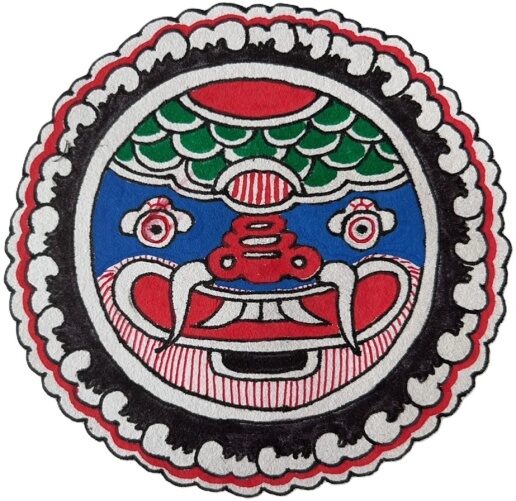
A composite of several fierce animals plus imagination. The face is huge and exaggerated, highly decorative, and usually the main ornament on an object. Some versions have a body and feet; some are the face alone.
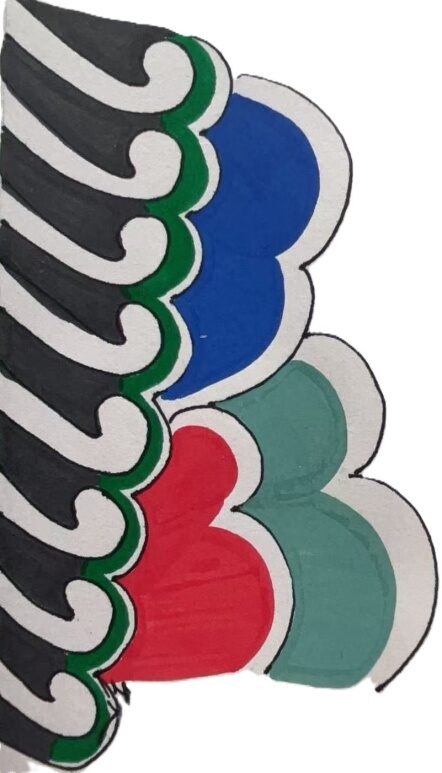
A traditional auspicious motif meaning ascent and good fortune; common forms include the ruyi cloud and the four-part cloud. Layers of tone give it depth. Ming and Qing brocades used it widely, in red, blue and green with gold and silver thread.
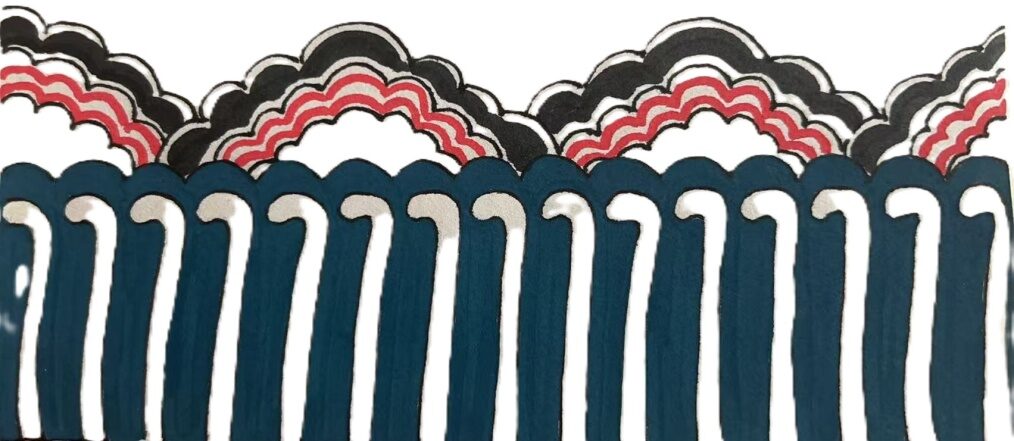
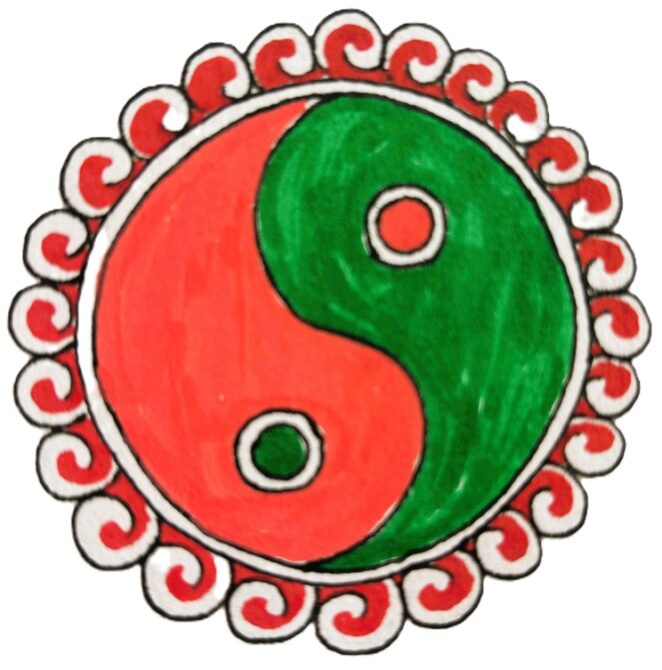
Also called water or wave pattern. Under the old dress code it was paired with dragon and phoenix motifs on the hems and cuffs of official robes as a mark of rank, and it also serves as a border under flowers and beasts. Water generally stands for wealth, rank, long life and joy.
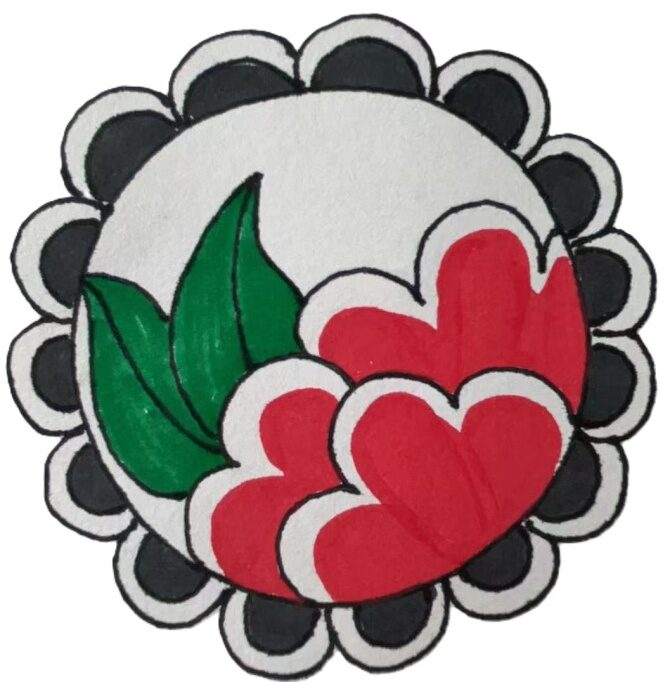
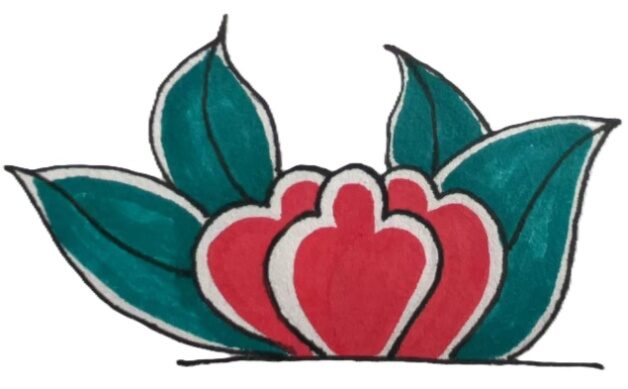
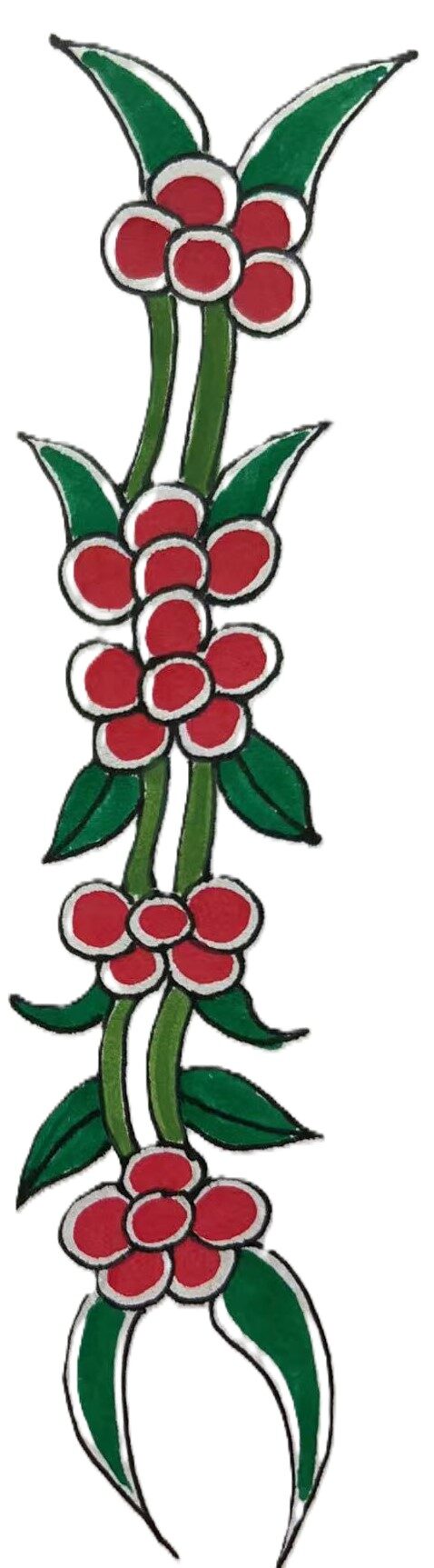
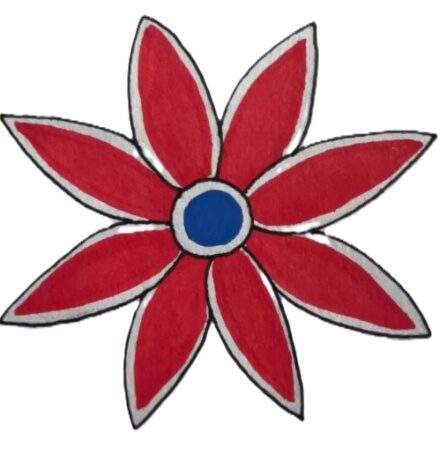
A layered, round composition built from three basic leaf shapes — peach-shaped lotus petal, lobed leaf, round leaf — and their combinations. Borders are often diamond or tortoise-shell lattice; the centre carries flowers and vines, with short, plump leaves spread around the bloom.
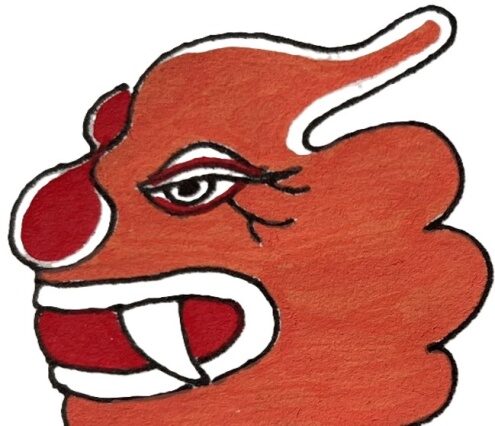
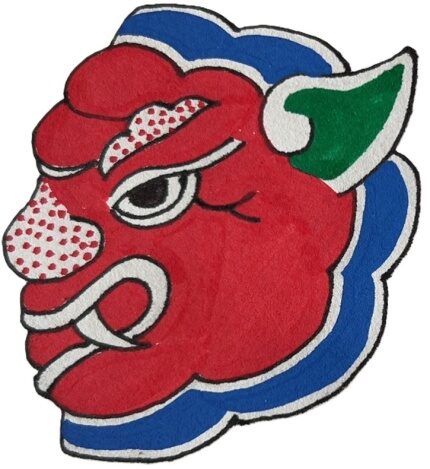
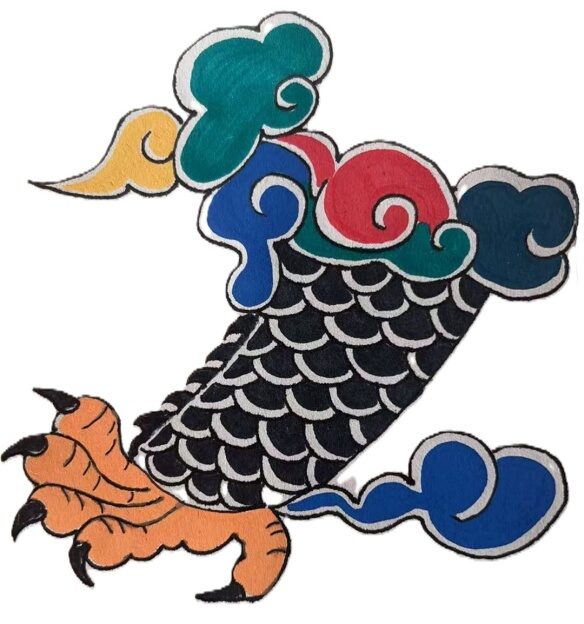
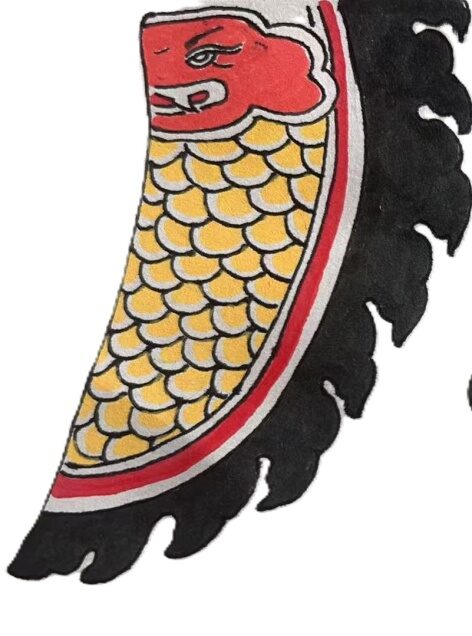
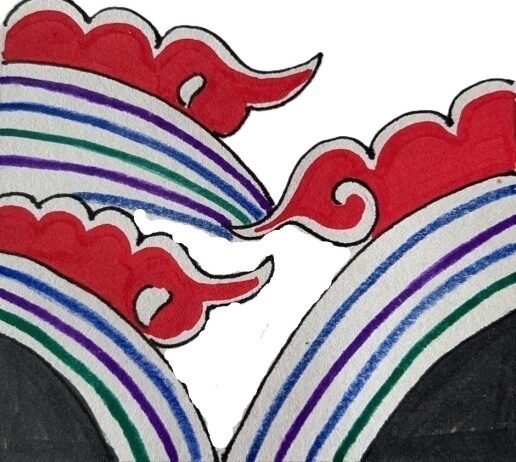
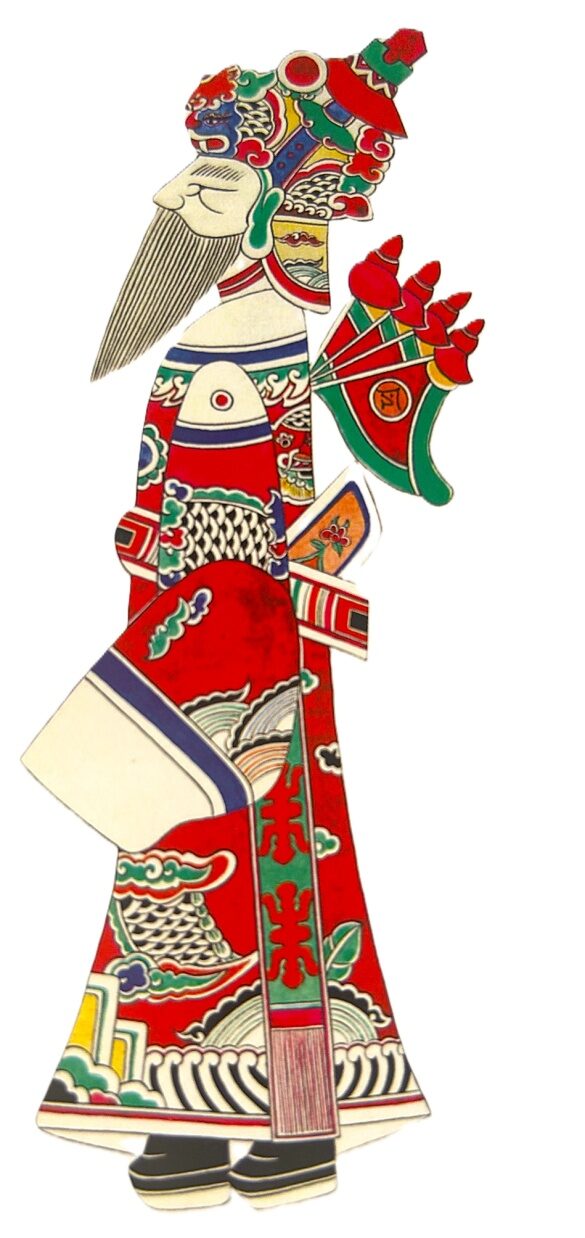
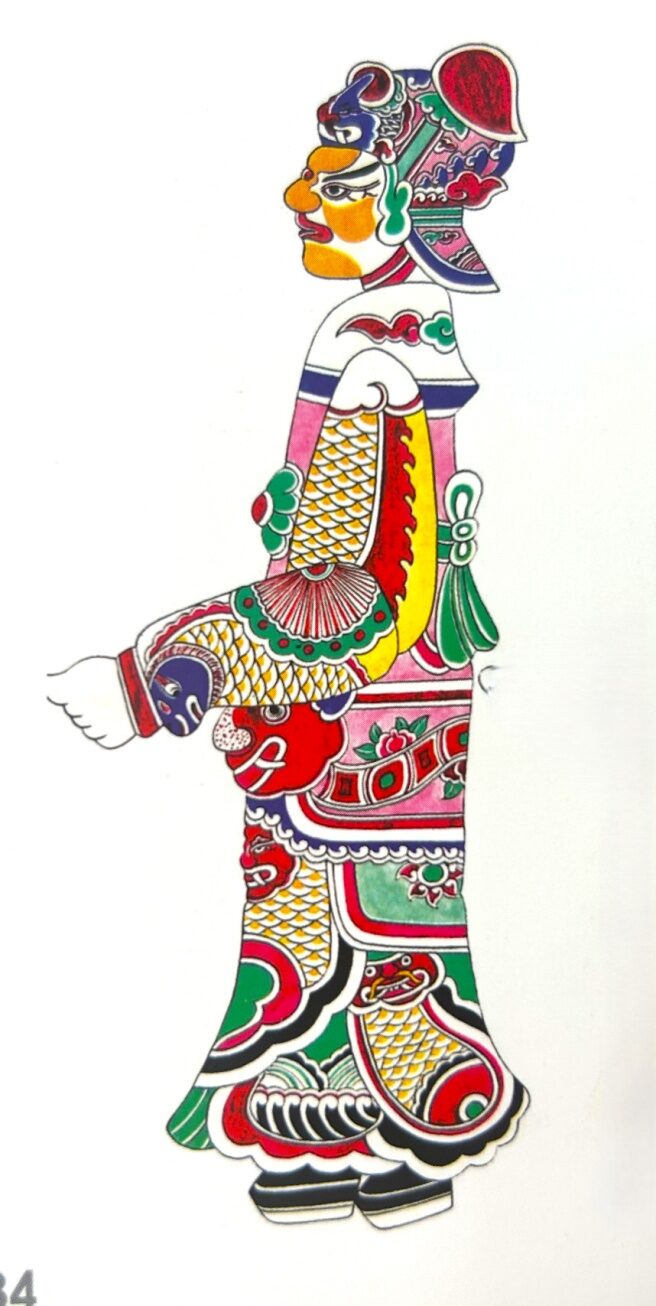
Armour, beast faces, scales and waves. Strong contrast, heavy black.
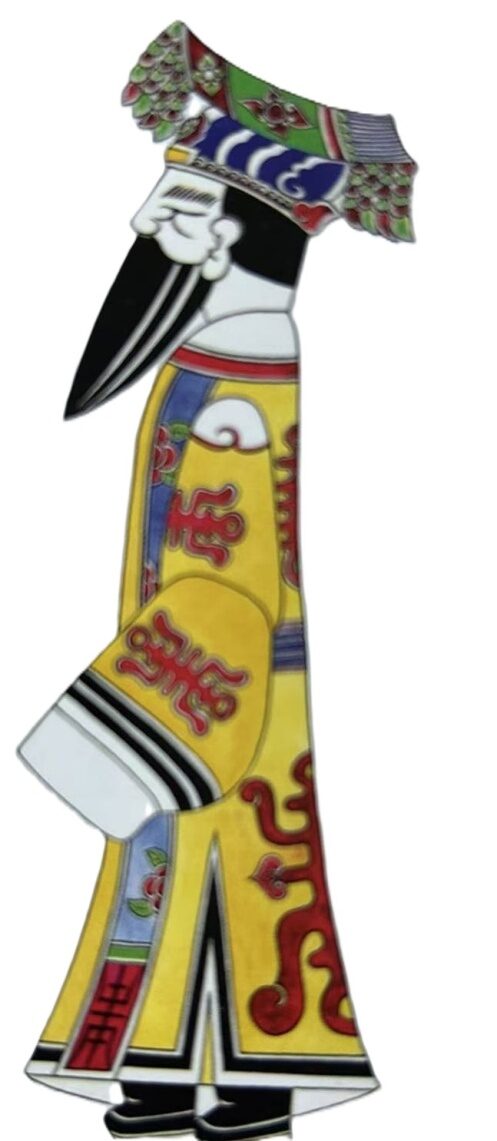
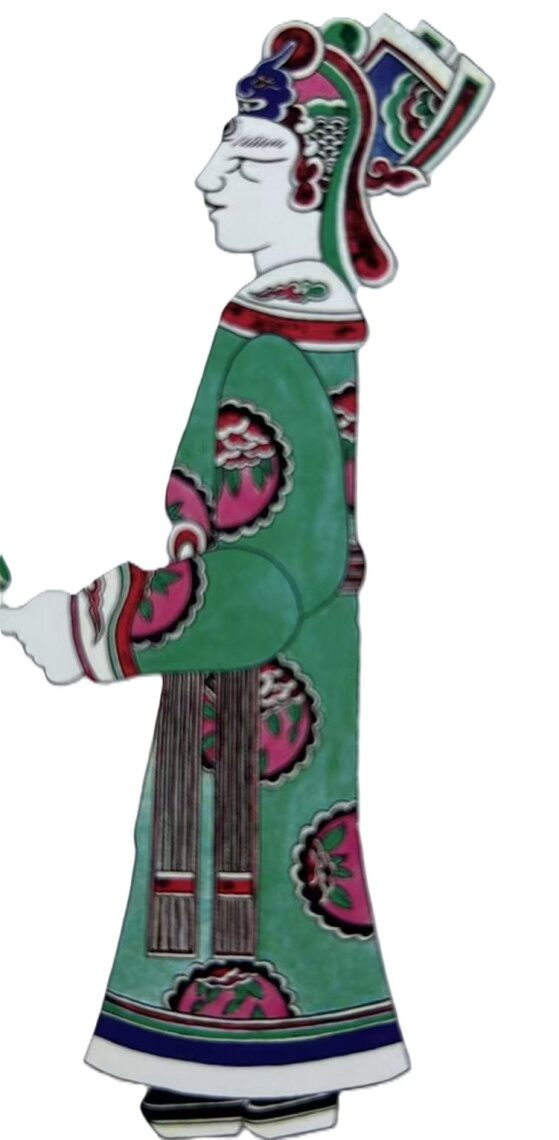
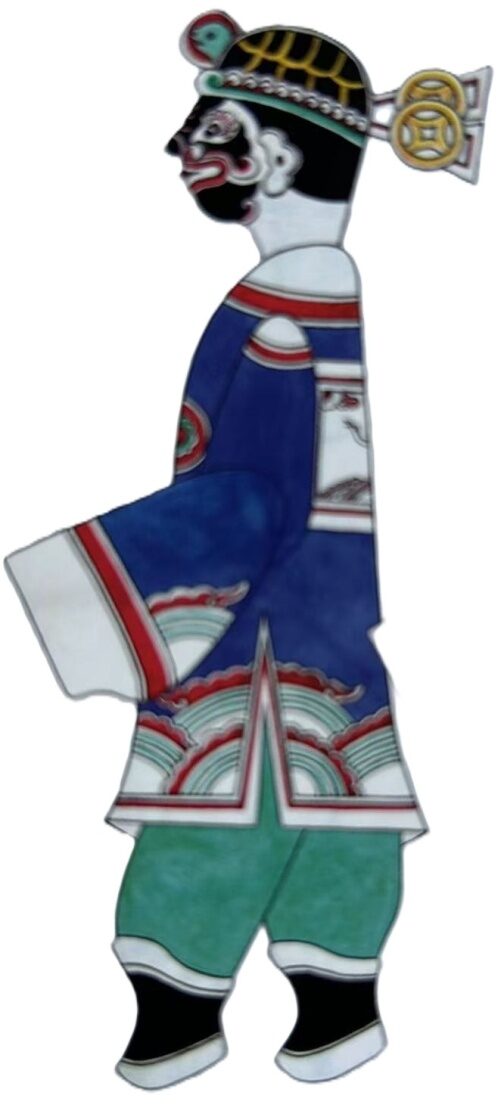
Long robes, clouds, rosettes and vines. Calmer colour, more open ground.
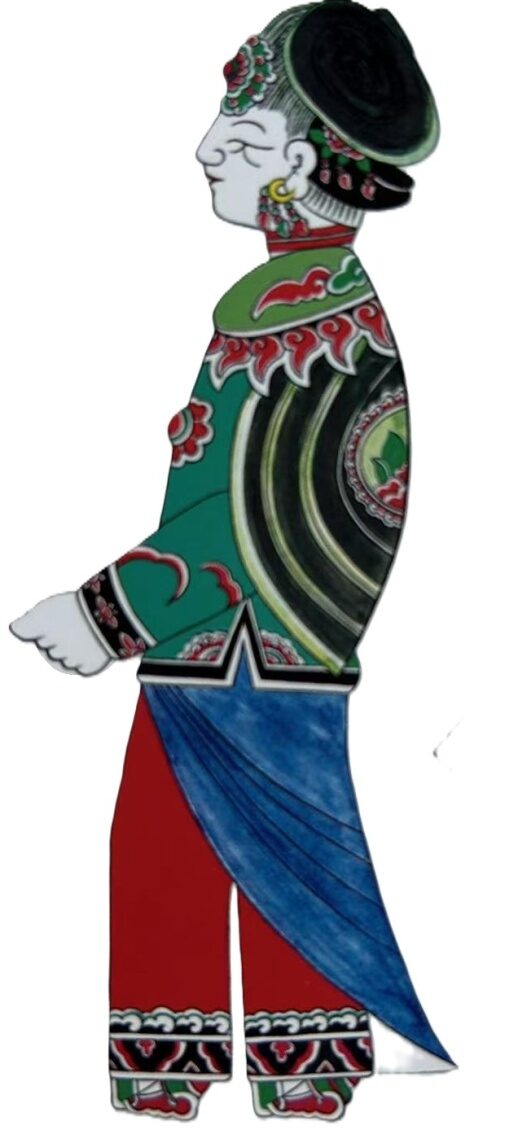
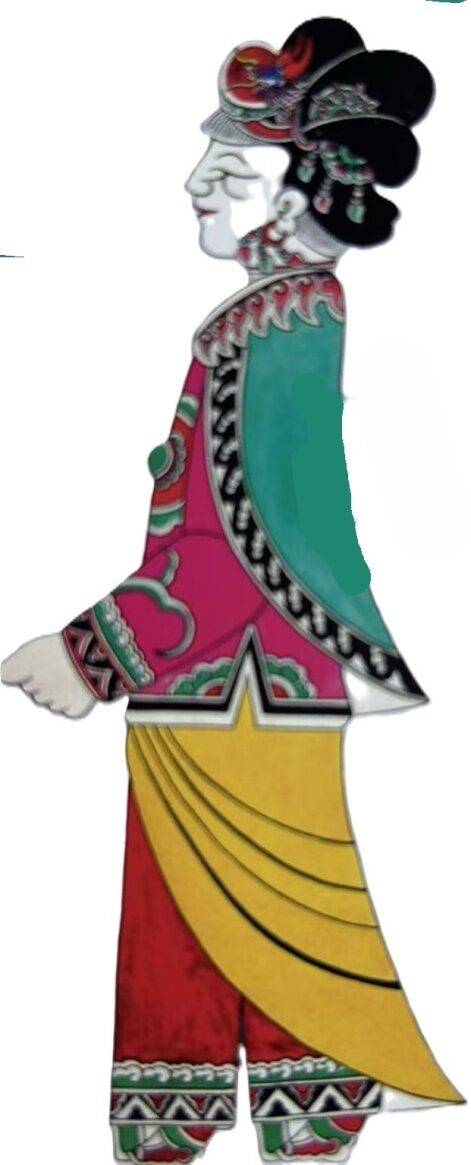
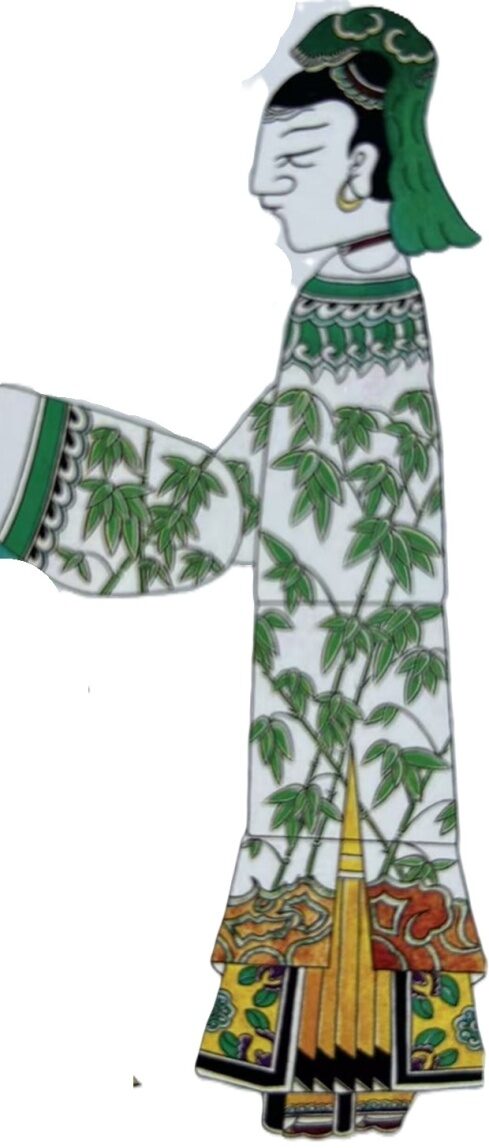
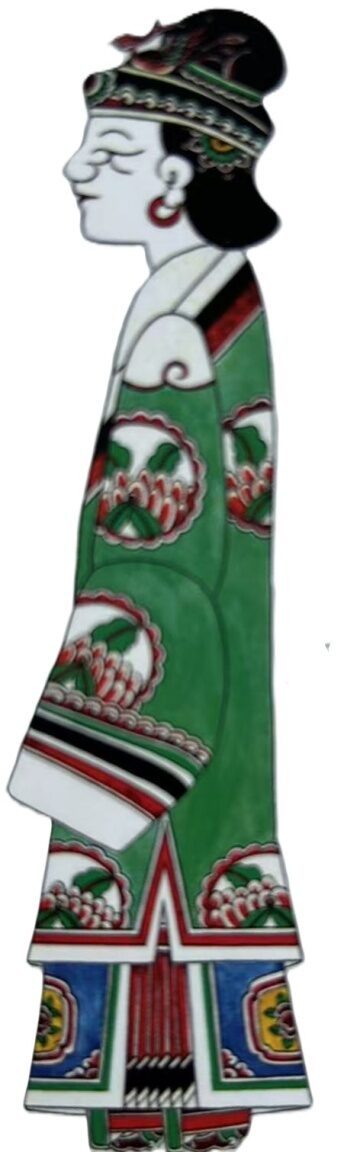
Peony and flower motifs, finer vine work. Pattern and colour are matched to the character's age.
These motifs later went onto the robotics team's wall. See the FRC page.